

Royal Leadership is Alive
For centuries Royal leaderships had been the foundation of African governance. Kings and royal houses still carry the weight of culture, land, and community life — but in a modern economy, legacy alone is not enough. Visibility, resources, and economic power now decide impact.
RACC builds economic platforms that fund, amplify, and sustain royal leadership and their communities.
These platforms come to life through the kings and royal houses who choose to engage and build through RACC.
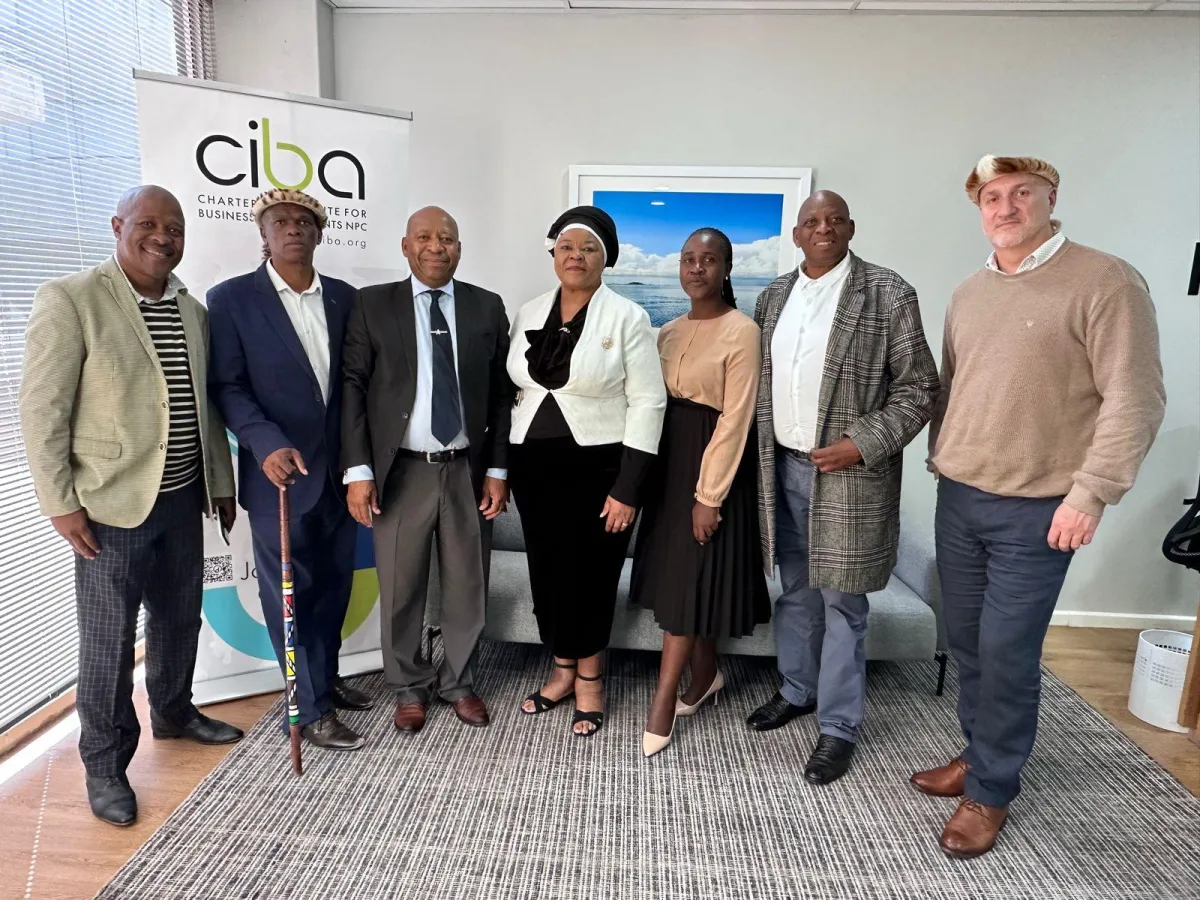
Participating Kings and Royal Houses
Meet the kings and royal houses currently engaging through RACC to strengthen economic participation, visibility, and community development.
King Ndlovuyezwe Ndamase of AmaMpondo
Kingdom: AmaMpondo aseNyandeni (Western Pondoland)
Area: Nyandeni, Libode, and surrounding communities, Eastern Cape
Recognition: Officially recognised by the Government of South Africa
Language: The community predominantly speaks isiXhosa (isiMpondo dialect), which remains central to cultural expression, customary law, and communal life.
Community:
The AmaMpondo aseNyandeni community is predominantly rural, with strong cultural traditions, communal land systems, and deep historical ties to agriculture, livestock, and coastal livelihoods. The community faces ongoing challenges related to infrastructure development, youth employment, skills training, and land protection, while remaining closely organised around traditional leadership, customary law, and communal decision-making.
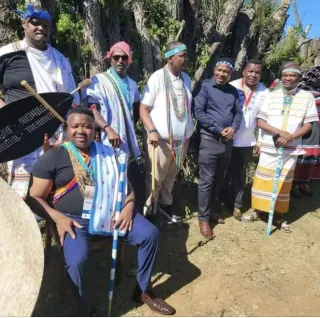
Kgosi Thabo Seatlholo of Barolong
Kingdom: Barolong
Area: Mahikeng and surrounding Barolong communities, North West Province
Recognition: Officially recognised by the Government of South Africa
Language: The Barolong community primarily speaks Setswana, a language closely tied to the kgotla system, customary governance, and public consultation
Community:
The Barolong community has a long-established tradition of organised governance, agriculture, and trade, with strong communal land systems and a history of engagement with modern economic activity. Today, the community faces challenges related to land use management, urban–rural integration, youth employment, and skills development. Traditional leadership continues to play a central role in mediating development, preserving cultural identity, and guiding community participation in economic and institutional initiatives.
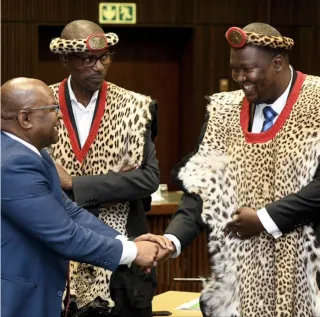
Kgoshi Letsiri Phaahla of baPedi
Kingdom: baPedi
Area: Sekhukhune District and surrounding Pedi communities, Limpopo Province
Recognition: Officially recognised by the Government of South Africa
Language: The baPedi community predominantly speaks Sepedi (Northern Sotho), which plays a central role in cultural identity, oral tradition, and customary leadership.
Community:
The baPedi community is one of the largest traditional groupings in South Africa, with deep cultural heritage, strong linguistic identity, and extensive communal land systems. Predominantly rural, the community faces challenges related to infrastructure development, youth employment, skills training, and sustainable use of land and natural resources. Traditional leadership remains central to maintaining social cohesion, guiding development priorities, and supporting pathways for economic participation within the community.
the item or answer the question so that site visitors who are interested get more information.
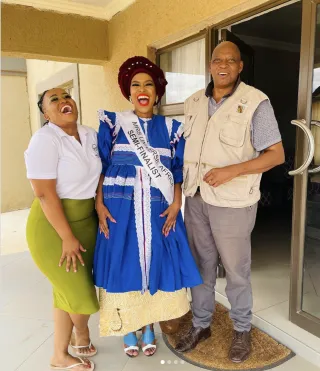
King Adam Kok of the Griquas
Kingdom: Griqua Nation
Area: Historically centred in the Northern Cape, Western Cape, and parts of the Eastern Cape, with Griqua communities located across South Africa
Recognition: Recognised as a traditional and Khoi-San leadership structure within South Africa’s customary and heritage frameworks
Language: The Griqua community historically spoke Khoekhoe and Afrikaans, with Afrikaans remaining the primary language of cultural transmission and community identity today.
Community:
The Griqua community is a distinct cultural and historical group with deep roots in South Africa’s early frontier history. Unlike territorially concentrated kingdoms, Griqua communities are dispersed, with strong emphasis on shared heritage, identity, and historical continuity. Contemporary challenges include cultural recognition, heritage protection, community cohesion across regions, and economic inclusion. Traditional leadership plays a key role in uniting communities, preserving identity, and advocating for sustainable pathways that honour Griqua history while supporting present-day development.
Website:
https://adamkokroyalhouse.co.za
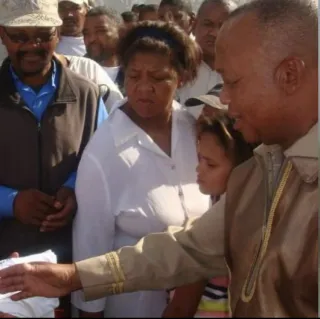
Kgosi Selabe Masibi of Bathlaro
Kingdom: Batlharo (Bathlaro)
Area: Northern Cape Province, with Batlharo communities primarily located around Kuruman and surrounding regions
Recognition: Recognised as a traditional leadership structure within South Africa’s customary governance framework
Language: The Batlharo community predominantly speaks Setswana, which remains central to cultural expression, customary law, and community life.
Community:
The Batlharo are a historically significant Tswana-speaking community known for early settlement in the interior of southern Africa and for established systems of communal land use and governance. Predominantly rural, Batlharo communities face challenges related to land use management, service delivery, youth employment, and skills development. Traditional leadership continues to play a central role in guiding communal decision-making, maintaining cultural identity, and supporting pathways for sustainable local economic participation.
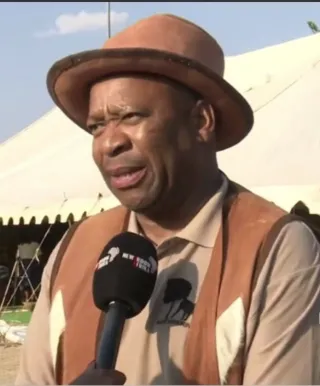
King Bhungane III of Hlubis
Kingdom: amaHlubi
Area: Parts of the Eastern Cape and KwaZulu-Natal, with Hlubi communities located across both provinces
Recognition: Officially recognised as a traditional leadership structure within South Africa’s customary governance framework
Language: The amaHlubi community primarily speaks isiXhosa and isiZulu, reflecting historical migration and cultural continuity across regions.
Community:
The amaHlubi community has a strong cultural identity shaped by shared language, customs, and historical migration across regions. Today, Hlubi communities are largely rural and face challenges related to land tenure clarity, community development, youth opportunities, and cultural recognition. Traditional leadership plays a central role in uniting dispersed communities, preserving Hlubi heritage, and supporting pathways for social and economic participation in a modern South Africa.
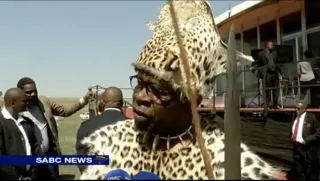
Kgosi Pelinomi Toto of the Batlharo
Kingdom: Batlharo
Area: Batlharo communities primarily located in the North West Province, including areas around Mahikeng and surrounding regions
Recognition: Officially recognised as a traditional leader within South Africa’s customary governance framework
Language: The Barolong are one of the historically prominent Tswana-speaking communities in South Africa
Community:
The Batlharo community is historically known for structured governance, agriculture, and early engagement with trade and education. Today, Barolong communities remain largely rural, with ongoing challenges related to land use management, service delivery, youth employment, and skills development. Traditional leadership continues to play an important role in guiding communal decision-making, maintaining cultural identity, and supporting efforts to expand economic participation and local enterprise.

King Makhosonke Mabena of AmaNdebele
Kingdom: amaNdebele
Area: Primarily Mpumalanga Province, with amaNdebele communities also present in parts of Gauteng and Limpopo
Recognition: Recognised as a traditional leadership structure within South Africa’s customary governance framework
Language:
The amaNdebele community predominantly speaks isiNdebele, which remains central to cultural expression, customary practices, and community cohesion
Community:
The amaNdebele community is widely recognised for its distinctive cultural heritage, particularly in architecture, art, and social organisation. Predominantly rural, amaNdebele communities face challenges related to land tenure, skills development, youth employment, and infrastructure. Traditional leadership plays an important role in preserving cultural identity while guiding communities toward sustainable economic and social development.
Website: https://ndebelekingdom.org/about-us
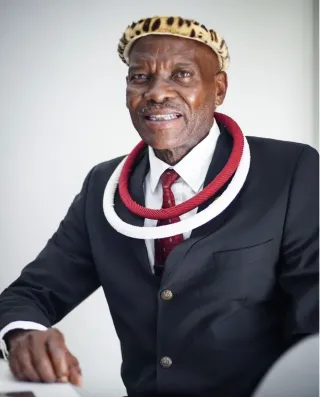
King Buyelekhaya Dalindyebo of abaThembu
Kingdom: abaThembu
Area: Primarily the Eastern Cape, including communities around Mthatha and surrounding regions
Recognition: Officially recognised as King of the abaThembu under South Africa’s customary governance framework
Language: The abaThembu community predominantly speaks isiXhosa, which remains fundamental to cultural expression, customary law, and communal life
Community:
The abaThembu community is one of the most historically prominent traditional communities in South Africa, with deep roots in customary governance, land stewardship, and cultural leadership. Predominantly rural, abaThembu communities continue to face challenges related to land management, service delivery, youth employment, and economic inclusion. Traditional leadership remains central to maintaining social cohesion, cultural continuity, and community representation.
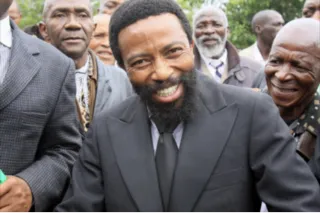
King Montoedi Mota of baTlokokwa
Kingdom: baTlokwa (baTlokokwa)
Area: Free State Province, with baTlokwa communities centred around the eastern Free State and surrounding regions
Recognition: Recognised as a traditional leadership structure within South Africa’s customary governance framework
Language: The baTlokwa community predominantly speaks Sesotho, which remains central to cultural expression, customary law, and community life.
Community:
The baTlokwa are a Sotho-speaking community with a history shaped by migration, settlement, and adaptation to changing political and economic conditions. Today, baTlokwa communities are largely rural and face challenges related to land tenure security, service delivery, youth employment, and skills development. Traditional leadership continues to play an important role in guiding communal decision-making, preserving cultural identity, and supporting pathways for sustainable local economic participation.
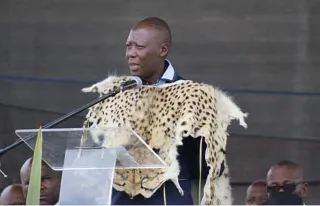
Kosi Gambani Mabena of AmaNdebele
Kingdom: amaNdebele
Area: Primarily Mpumalanga Province, with amaNdebele communities also present in parts of Gauteng and Limpopo
Recognition: Recognised as a traditional leadership structure within South Africa’s customary governance framework
Language: The amaNdebele community predominantly speaks isiNdebele, which remains central to cultural expression, customary practices, and community cohesion.
Community:
The amaNdebele community is widely recognised for its strong cultural identity, particularly in art, architecture, and social organisation. Predominantly rural, amaNdebele communities continue to face challenges related to land tenure, skills development, youth employment, and infrastructure. Traditional leadership plays an important role in preserving cultural continuity while guiding communities toward inclusive and sustainable development.

Kgoshigadi Moremadi Mothapo of Baroka
Kingdom: Baroka
Area: Limpopo Province, with Baroka communities primarily located in the Waterberg District and surrounding areas
Recognition: Recognised as a traditional leadership structure within South Africa’s customary governance framework
Language: The Baroka community predominantly speaks Sepedi (Northern Sotho), which remains central to cultural expression, customary law, and community life.
Community:
The Baroka community is a Northern Sotho–speaking community with strong customary traditions and communal land systems. Predominantly rural, the community faces challenges related to land security, service delivery, youth opportunities, and skills development. Traditional leadership remains central to guiding communal decision-making, maintaining cultural continuity, and supporting pathways for sustainable local economic participation.
Heritage Day reminds us who we are.
Your support for traditional communities ensures Heritage Day continues long after September 24. Royal leaders and cultural communities are the living heart of Heritage Day, carrying its work forward through daily care, culture, and community life across South Africa.
Support Your King, Support the Movement.
Traditional leaders are not relics of the past they are the foundation of our
governance, economy, and identity.
Take Action Today

Sign The Petition
Demand policy change for traditional leadership.
Get in touch
Have a question or need more information?
Complete the form below and we’ll get back to you.

+27 83 966 4558
RACC National Office, 468 Berea Street, Muckleneuk, Pretoria
Subscribe to our social


© 2026 Royal Authority for Commerce and Charters. All rights reserved.
Royal Authority for Commerce and Charters NPC (2025/19518508) is the official implementation agency of ROLESA.
Proudly aligned with kingship, community, and cultural governance.