

Customary Land Governance & Constitutional Reform
Our Land. Our Legacy. Restoring Lawful Custodianship.
Land is not just soil; it is identity, heritage, and continuity. For centuries, traditional leadership has exercised custodial responsibility over communal land, supporting stability, agriculture, and community governance. Help us strengthen control of communal land.
RACC mobilises civil-society funding to advance constitutional reform of customary land governance..
Overview of Land Dispossession in South Africa
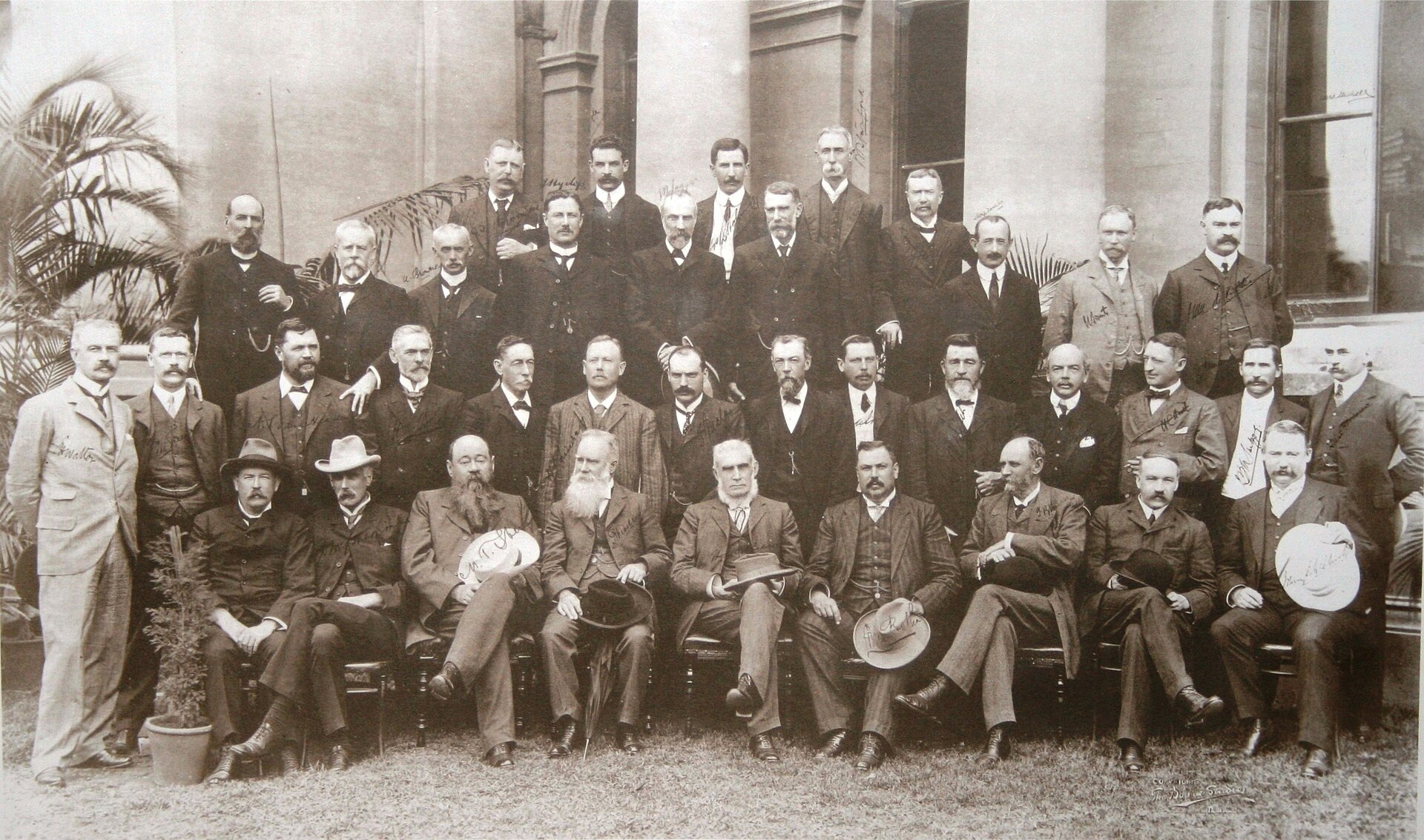
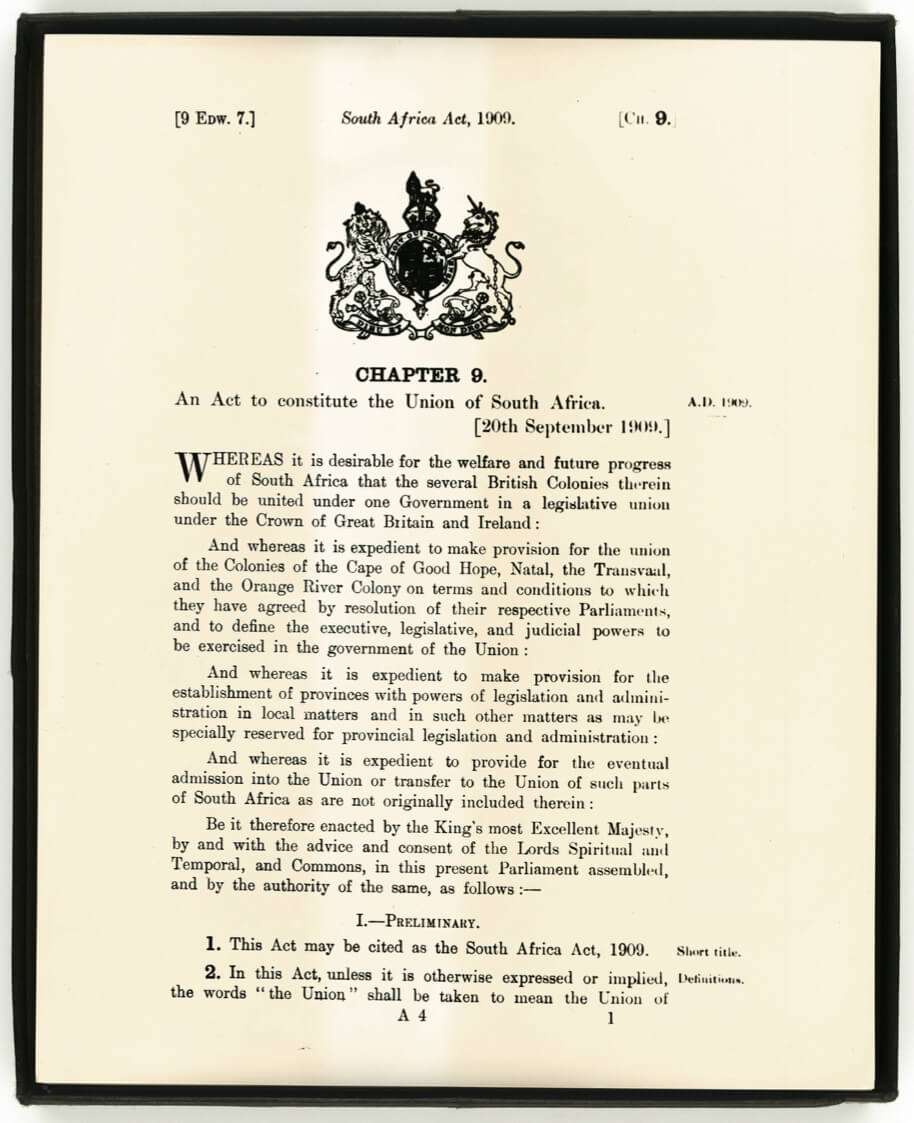
From Customary Sovereignty to Statutory Control
Before colonial rule, land was communally governed through customary systems, administered by kings and councils as custodians for social and agricultural stability.
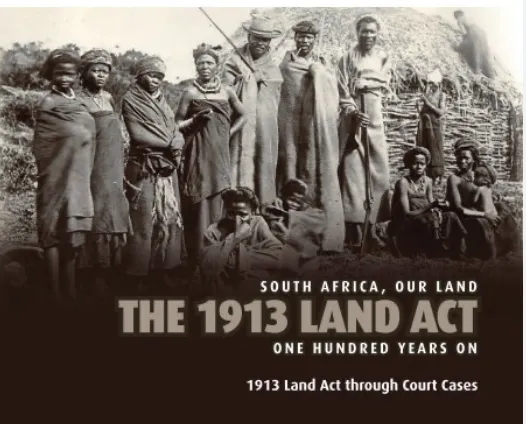
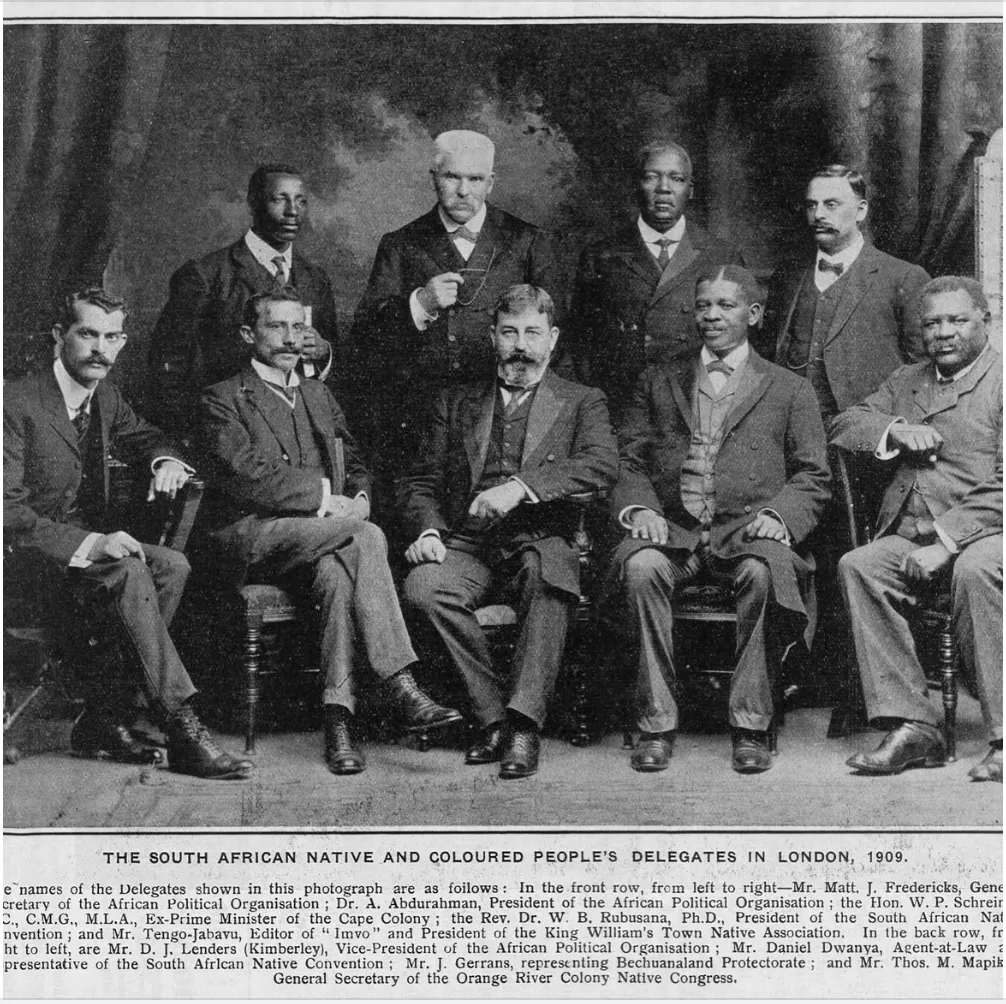
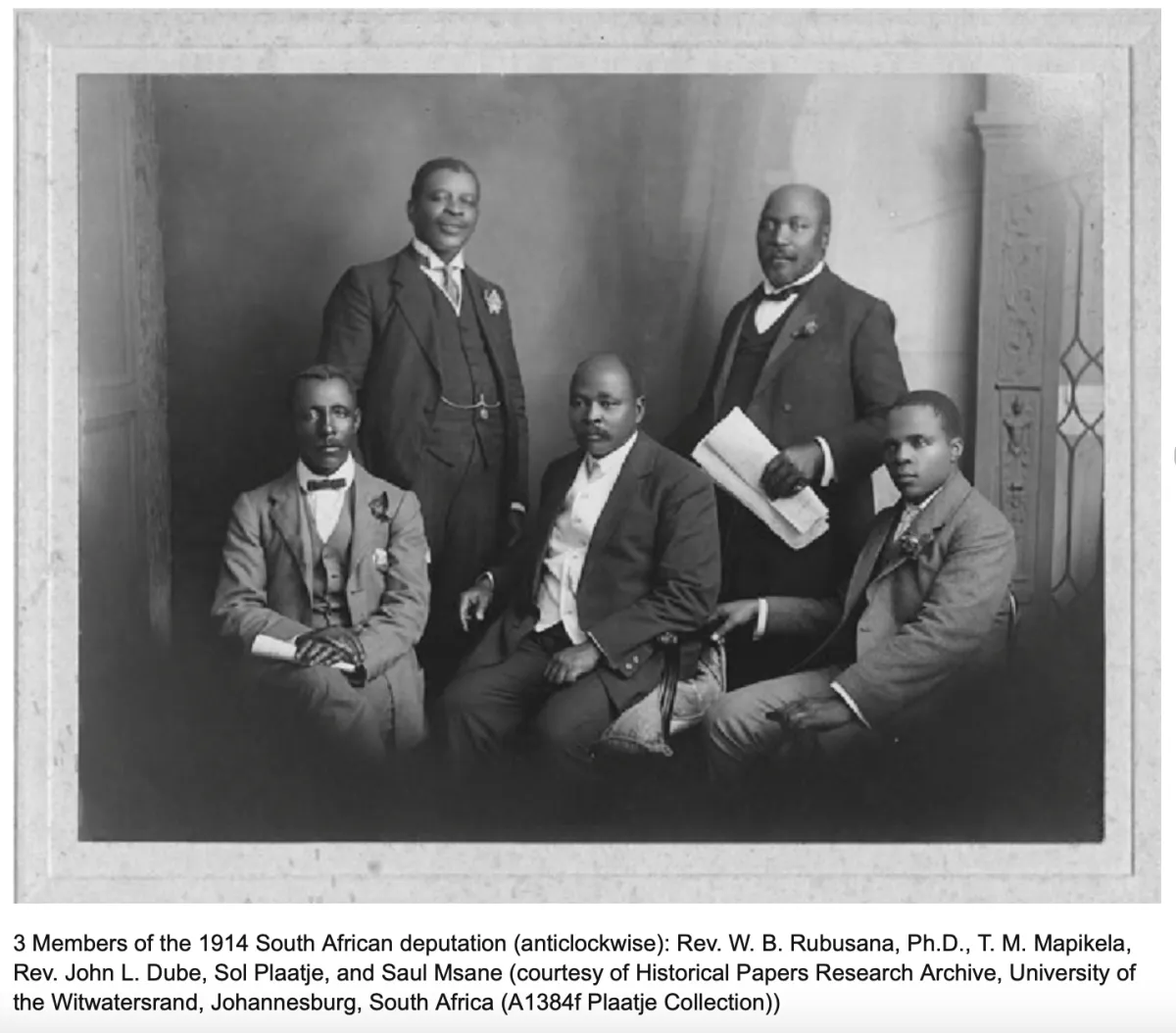
The 1913 & 1936 Land Acts
These Acts dismantled customary land governance by restricting African land ownership and transferring control to the state.
Apartheid’s Homeland System
The Bantustan system entrenched state control by displacing communities and reducing traditional leaders to administrative roles.
Post-1994 Unresolved Land Governance
Post-1994 land reform retained state custodianship of communal land, leaving traditional areas with unclear governance and insecure tenure.

A New Approach
Today, traditional leaders remain insufficiently recognised in the governance of communal land. RACC advances lawful reform to re-establish customary custodianship within the constitutional framework.
Funding is mobilised through civil-society donations and allocated transparently.
1. Legal Preparedness & Advocacy
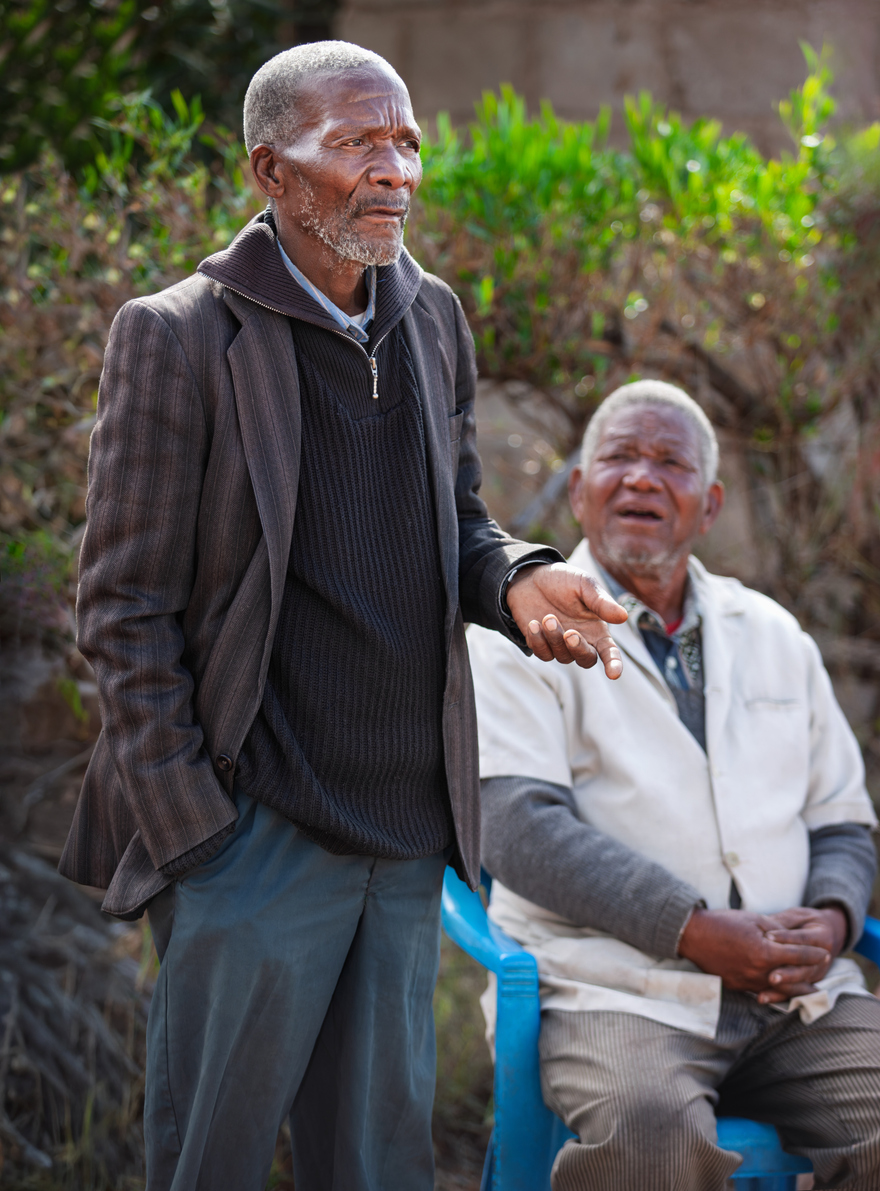
Many traditional communities face unresolved land governance challenges. RACC exists to ensure that these matters are supported by credible legal teams, sound research, and properly funded processes.
RACC apply donations to support:
Constitutional and High Court litigation
Parliamentary submissions and legislative reform
Legal research and expert participation
Areas of Focus:
RACC’s work includes:
Clarifying customary custodianship of communal land
Addressing governance gaps in traditional areas
Supporting consent-based development frameworks
2. Legislative Challenges Affecting Traditional Leadership


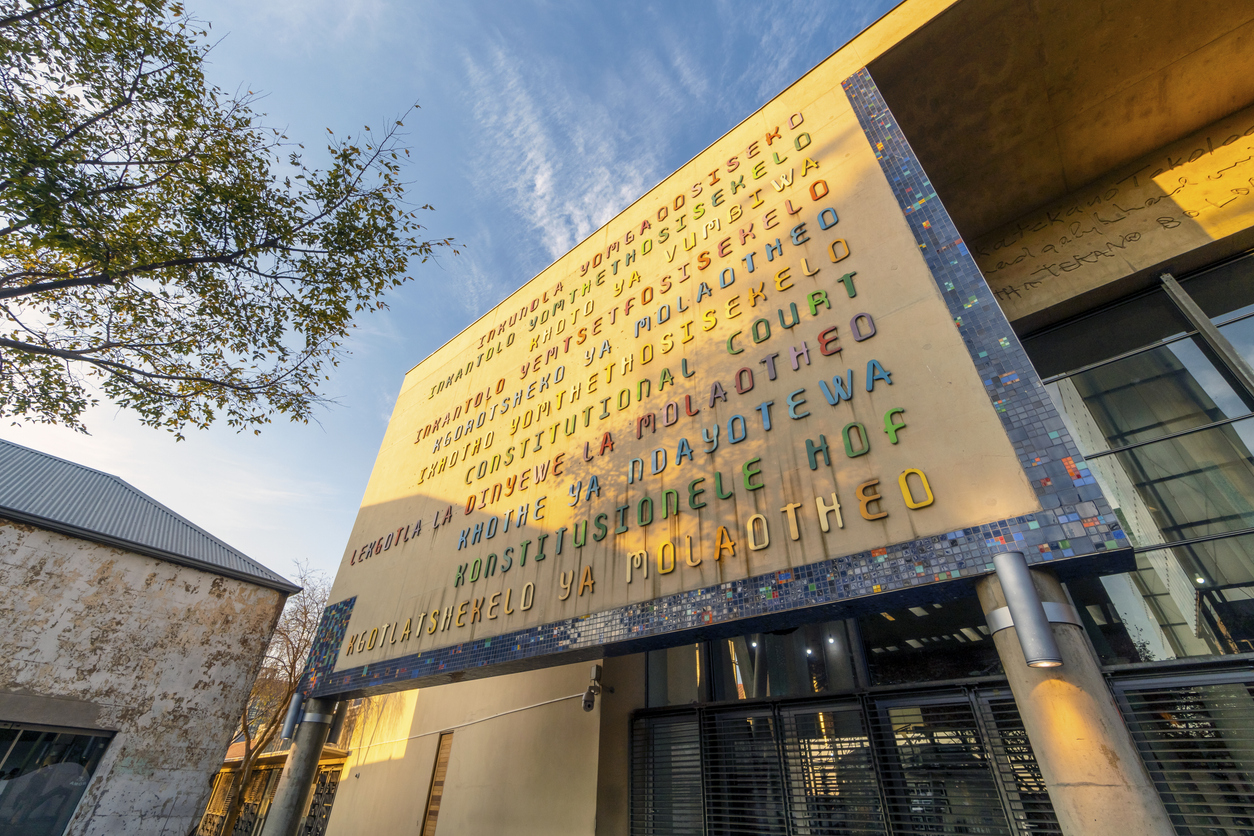

Current land legislation continues to marginalise customary systems by concentrating land governance within state structures rather than community-based institutions.
Key Legislative Issues
Traditional and Khoi-San Leadership Act (2019): Recognises leadership structures but provides limited authority over land governance.
Communal Land Frameworks: Retain state custodianship, weakening community consent and customary administration.
State Land Disposal Regimes: Centralise land allocation, reducing the role of traditional councils.
RACC supports lawful court challenges and parliamentary advocacy to reform these frameworks and strengthen accountable customary land governance.
3. Corporate and State Pressures on Communal Land
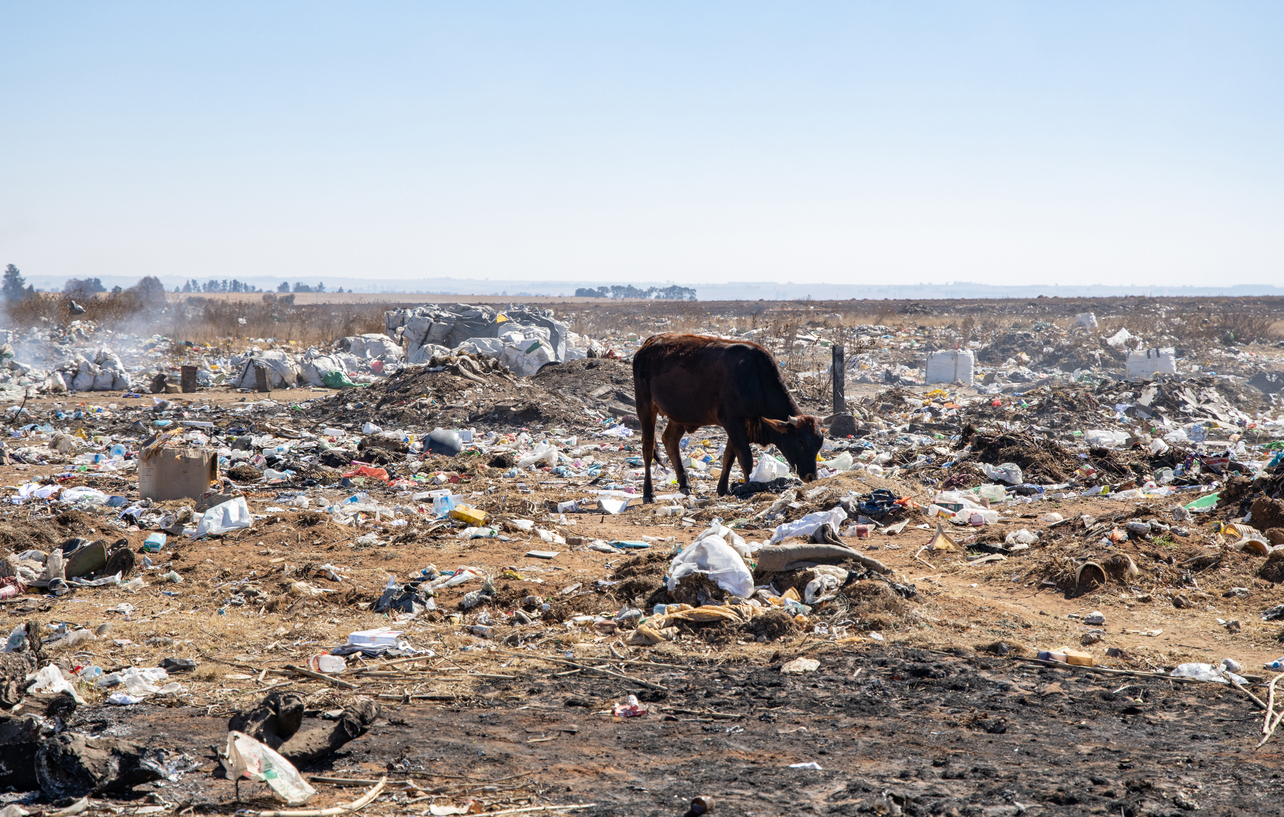
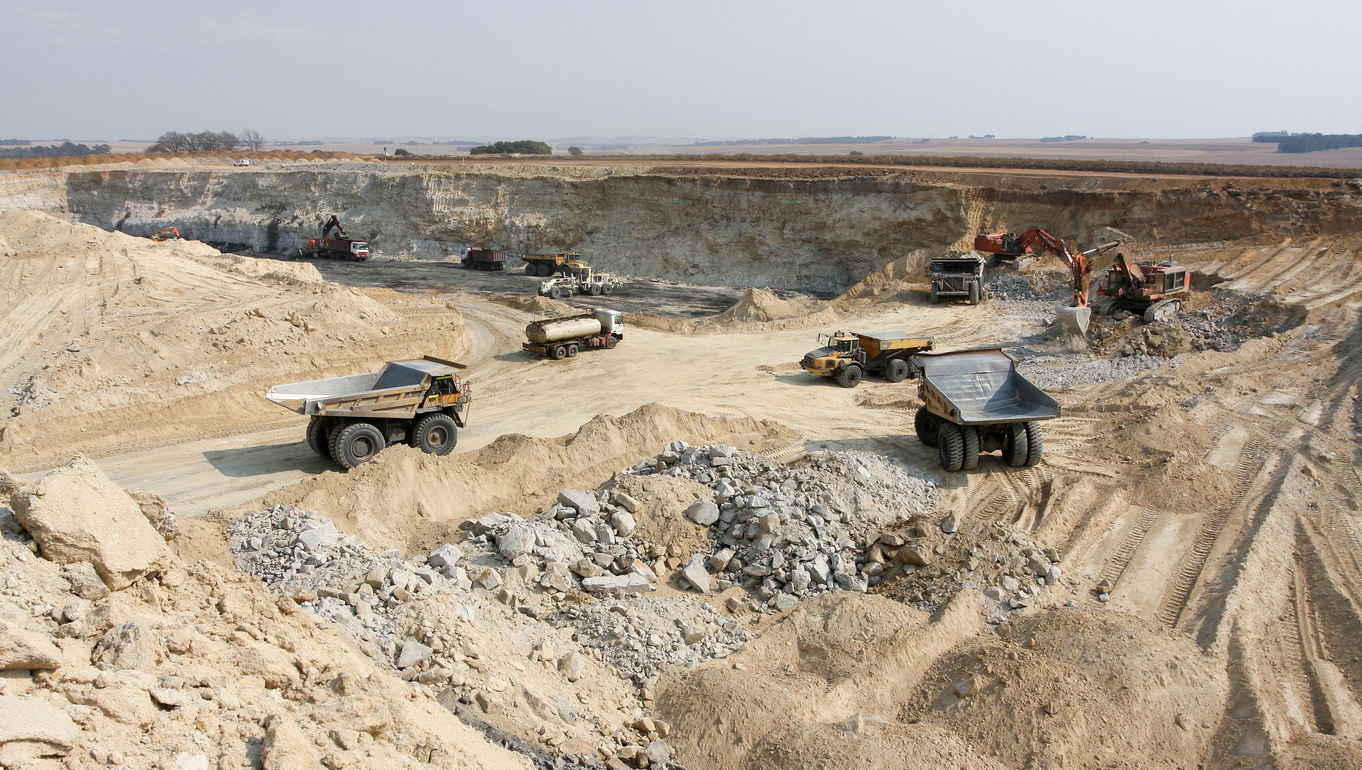
Economic activity on communal land increasingly occurs through state licensing and commercial agreements that do not adequately recognise customary governance or community consent.
Mining and Resource Extraction: Projects proceed under statutory approvals with limited integration of customary custodianship and benefit-sharing.
Agricultural and Industrial Expansion: Commercial use of land often bypasses traditional governance structures and local decision-making.
State-Controlled Land Allocation: Centralised land administration reduces the role of traditional councils in land governance.
How RACC Is Involved
RACC supports lawful challenges and policy reform to ensure that development on communal land:
Recognises accountable customary custodianship,
Requires meaningful community consent, and
Aligns commercial activity with constitutional land governance principles.

How You Can Take Part
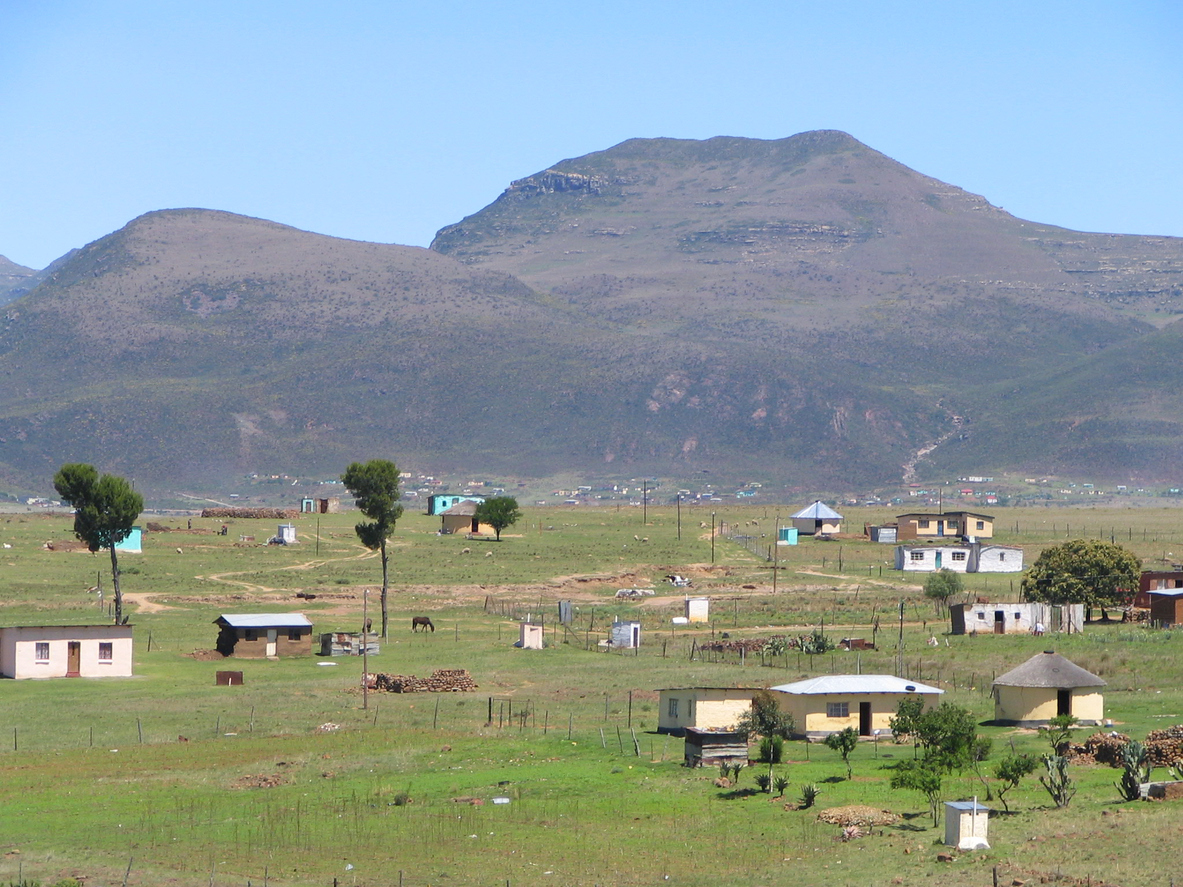
If you care about how customary communities work and grow, there’s a place for you here.

Apply for a
Royal Charter
For businesses that want to be recognised as part of the customary system.
Become a Supporter and donate
Back the platform that keeps customary communities visible and viable.
Choose Chartered Companies
Support the businesses that are officially part of the Royal Charter system.
Get in touch
Have a question or need more information?
Complete the form below and we’ll get back to you.

+27 83 966 4558
RACC National Office, 468 Berea Street, Muckleneuk, Pretoria
Subscribe to our social


© 2026 Royal Authority for Commerce and Charters. All rights reserved.
Royal Authority for Commerce and Charters NPC (2025/19518508) is the official implementation agency of ROLESA.
Proudly aligned with kingship, community, and cultural governance.